

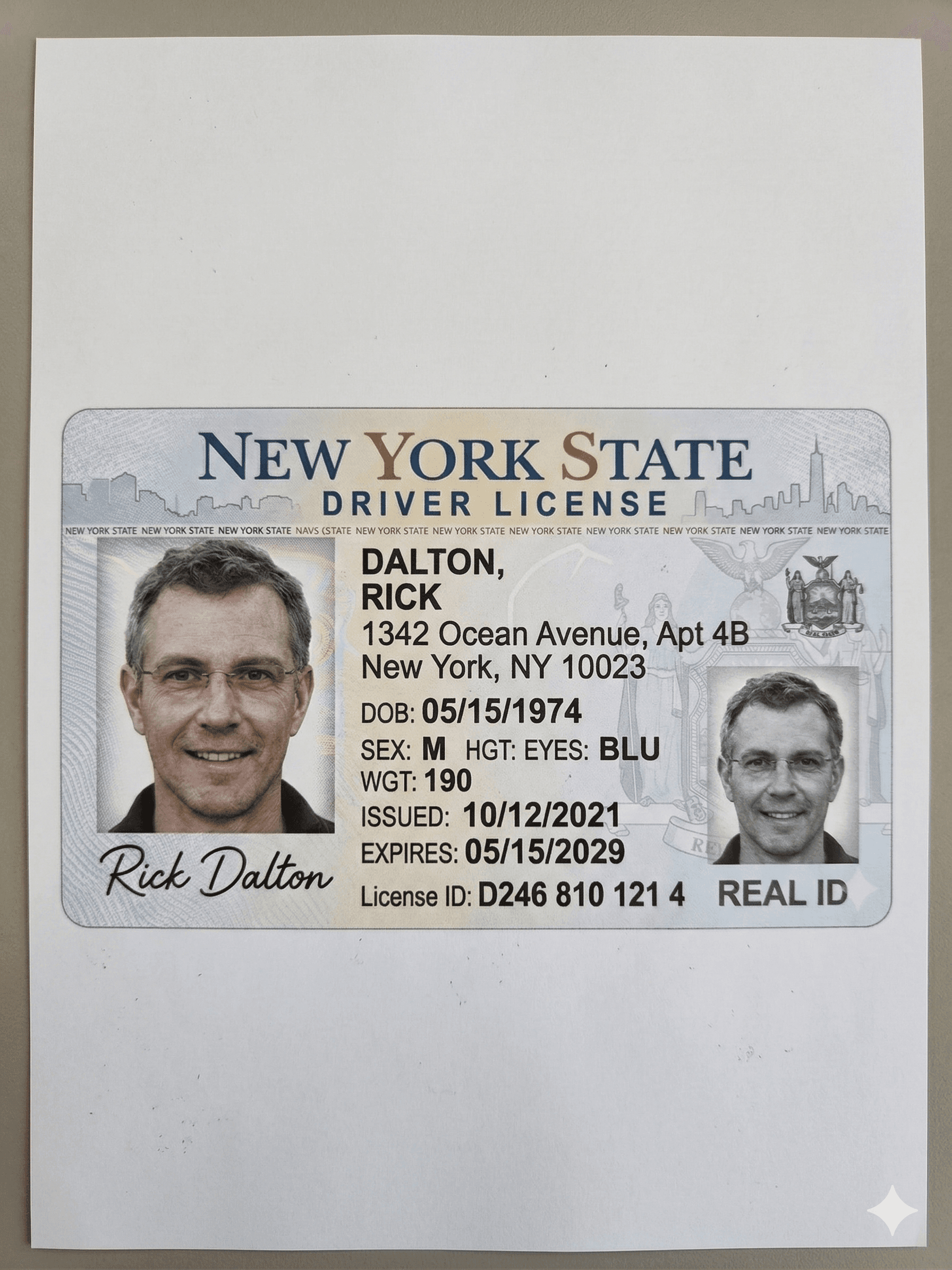
Print Attack
Identifies printed document and face artifacts, including texture inconsistencies and reflection patterns from physical copies.
Stop document spoofing before it impacts growth. SpoofSense DocLive delivers AI-powered liveness checks that protect onboarding, account recovery, and high-risk transactions at enterprise scale.
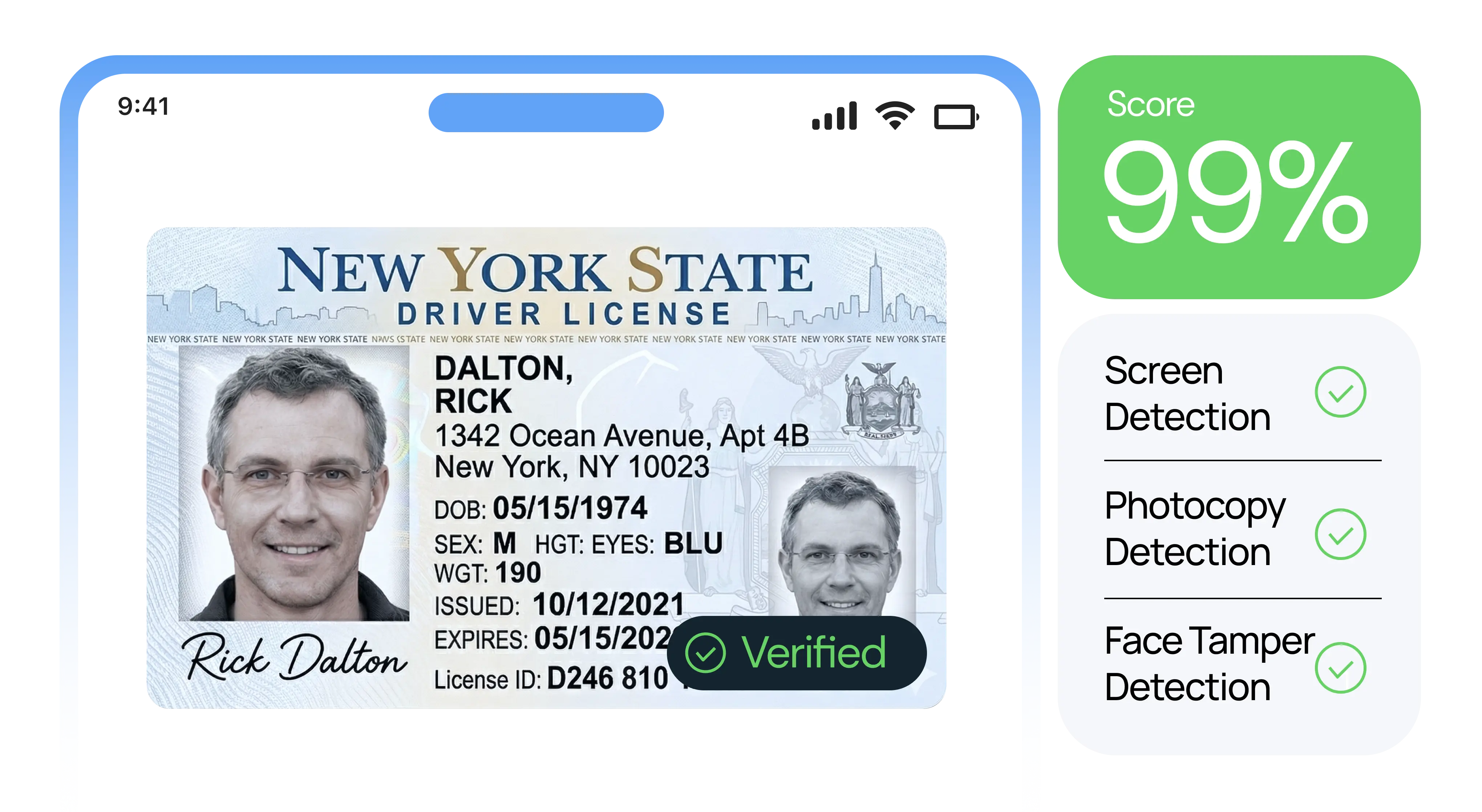



SpoofSense DocLive helps fraud and identity teams detect sophisticated spoofing attacks while maintaining fast, low-friction verification experiences across regulated customer workflows.
Identifies printed document and face artifacts, including texture inconsistencies and reflection patterns from physical copies.
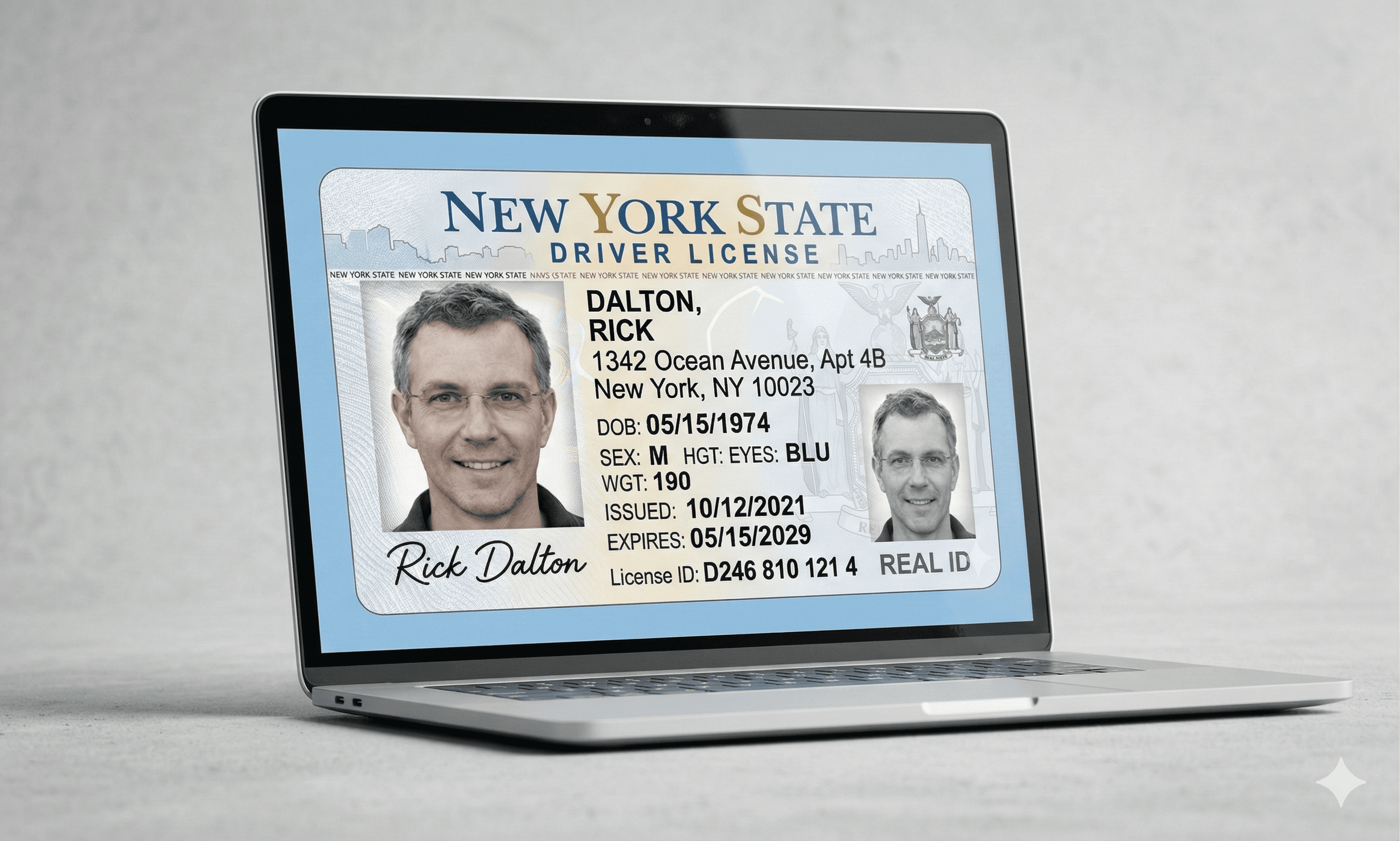
Detects replays shown on phones, tablets, and desktop displays with passive liveness checks optimized for real-world camera noise.
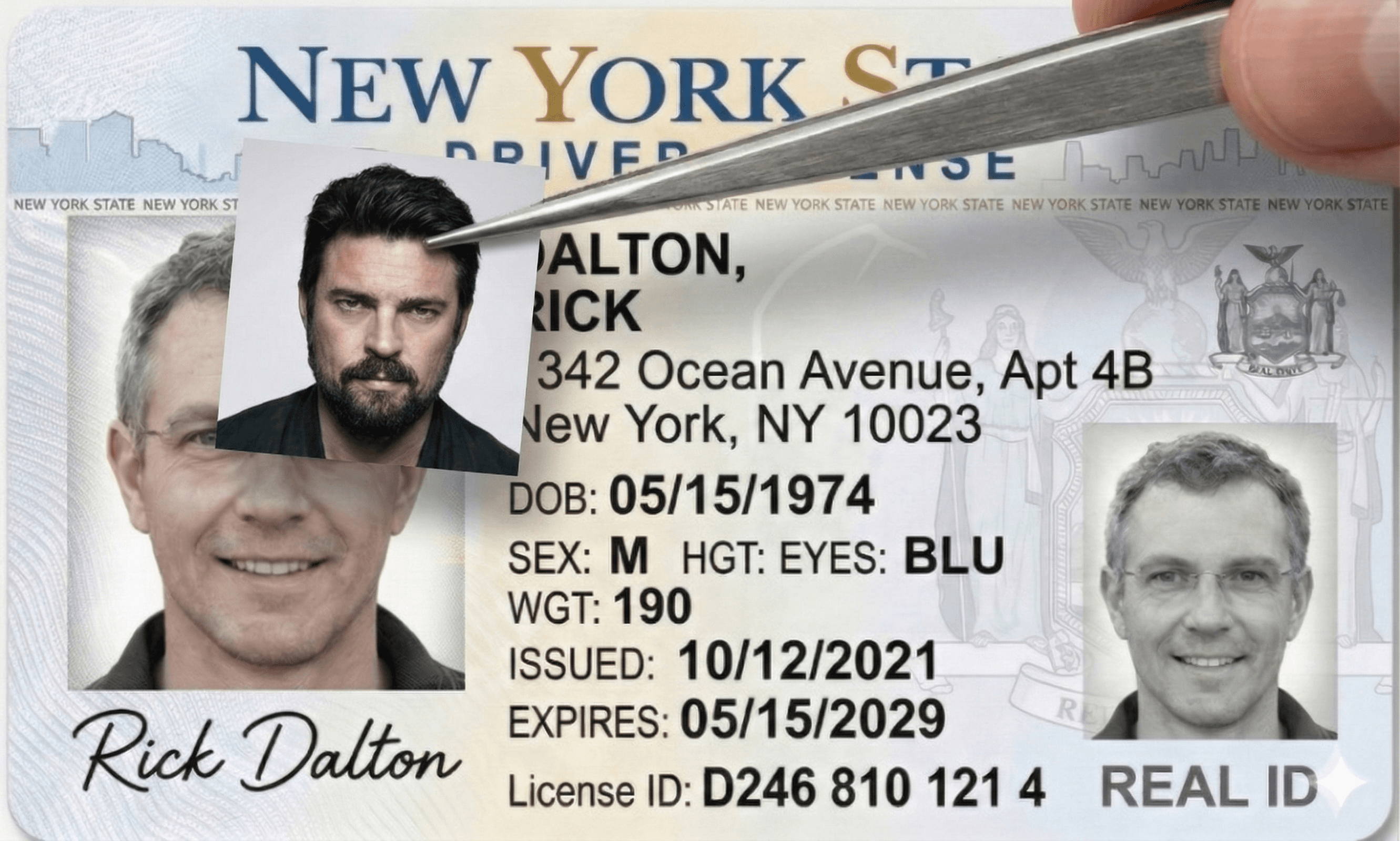
Flags digital overlays and composited layers that attempt to alter facial regions or identity document details in real time.
Production-ready protection designed to reduce fraud exposure and preserve legitimate-user conversion.
Uses just a single ID image to perform liveness checks, reducing user effort while preserving strong anti-spoof protection.
Supports IDs from countries worldwide so teams can verify users consistently across regions and document types.
Delivers high-accuracy decisions tuned for enterprise scale, helping minimize genuine-user drop-offs during verification.

Plug & Play
APIs Integration

Device
Compatibility

On-Prem
Docker-Ready
Quick answers to common questions from fraud, compliance, and digital identity teams evaluating document liveness controls.
Document liveness detection verifies that an ID presented during onboarding is physically genuine and captured in real time, helping stop replay, print, and digital injection fraud before accounts are created.
DocLive runs passive checks from a single image capture, so users are not forced through extra challenge steps while risk teams still get high-confidence anti-spoof decisions.
Yes. DocLive is designed for high-scale, multi-region operations with broad document support, making it easier to standardize verification controls across products and geographies.